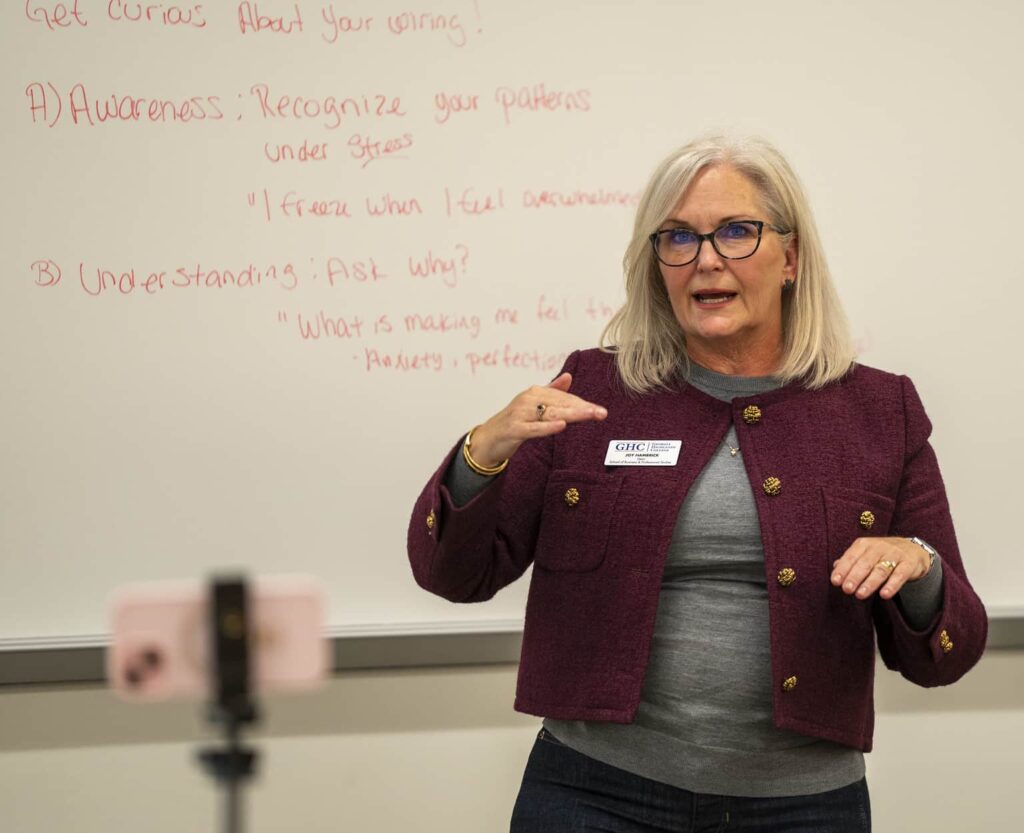
People often ask me why I care so much about budgeting.
The short answer? Because budgeting sits at the intersection of economics and everyday life—and that’s exactly where I’ve spent my career.
For more than three decades, I’ve taught economics, finance, and business to students from every walk of life. I’ve worked in corporate environments, consulted across industries, and now serve as the Dean of the School of Business and Professional Studies at Georgia Highlands College. But no matter the role, the common thread has always been this: helping people understand how money actually works in real life.
Budgeting isn’t abstract. It isn’t theoretical. It’s personal. And when people feel confident about their money, it changes everything.
I Understand the Theory and the Reality of Budgeting Practices
My academic background is rooted in economics and finance. I earned my bachelor’s degree in Economics and Finance and later completed a master’s degree in Econometrics. I love patterns, data, and understanding how systems work.
But here’s what matters just as much: I didn’t learn money only from textbooks.
Before stepping into higher education, I spent years in the corporate world and in consulting. I saw firsthand how financial decisions play out in organizations and in people’s lives. I learned quickly that what looks good on paper doesn’t always work in practice.
That’s why my approach to budgeting has never been about perfection or rigid rules. It’s about building systems that work for real humans with busy lives, competing priorities, and imperfect circumstances.
I’ve Spent My Career Making the Complex Feel Accessible
One thing I’m proud of is my ability to translate complex ideas into something approachable and useful.
Economics has a reputation for being intimidating, but it doesn’t have to be. At its core, economics is about choices—how we allocate limited resources to meet unlimited wants. Budgeting is simply that concept applied to your own life.
Whether I’m teaching supply and demand, labor markets, or personal finance, my goal is always the same: to make the material feel relevant, relatable, and even a little fun.
A budget shouldn’t feel like a test you can fail. It should feel like a tool you can use.
Life Changes and Budgeting Practices Evolve
I’m not teaching budgeting from an ivory tower. I’m living it.
I’ve been married for 35 years, raised two daughters, navigated career changes, and entered the empty-nester season of life. I’ve planned for college expenses, retirement, travel dreams, and unexpected curveballs. I understand that financial priorities shift as life evolves.
Budgeting isn’t a one-time task. It’s an ongoing conversation with yourself about what matters right now. My guidance reflects that reality.
I Believe Budgeting Should Support Joy—Not Steal It
If you know me, you know I believe deeply in joy—both the feeling and the practice.
I love travel, football, half-marathons, a well-organized closet, the perfect outfit, and quoting movies at exactly the right moment. None of that disappears when you budget well. In fact, budgeting makes room for it.
Good budgeting doesn’t eliminate enjoyment—it makes it intentional. It allows you to say yes with confidence and no without guilt. It helps you spend on what matters most and let go of what doesn’t.
That’s a philosophy I bring into every conversation about money.
I Teach With Compassion, Not Judgment
One of the biggest barriers people face with budgeting isn’t math; it’s shame.
Many people believe they should “already know” how to manage money. But the truth is, most of us were never taught. Budgeting is a learned skill, and no one benefits from being made to feel behind.
Through my teaching, my writing, and the Common Cents podcast and blog, I focus on clarity, encouragement, and practical steps forward. My goal is never to overwhelm; it’s to empower.
I Bridge Economics and Everyday Life
What makes my approach different is the bridge between theory and practice.
I don’t just explain what to do—I explain why it works. Understanding the “why” builds confidence. It helps people adapt strategies to their own lives instead of copying someone else’s system and hoping for the best.
That’s where real financial confidence comes from.
Budgeting Practices are About Confidence and Connection
At its heart, budgeting is about more than money. It’s about confidence, communication, and caring for yourself and the people around you.
If I can help you feel calmer, more capable, and more connected to your financial decisions, then I’ve done my job.
Because economics shouldn’t feel distant or intimidating, it should feel like a tool you can use every single day to build a life that supports what you value most.
And that’s why I do this work, one common cent at a time.
Interested in learning more about personal budgeting and your budgeting personality? Download the bespoke budgeting atelier.